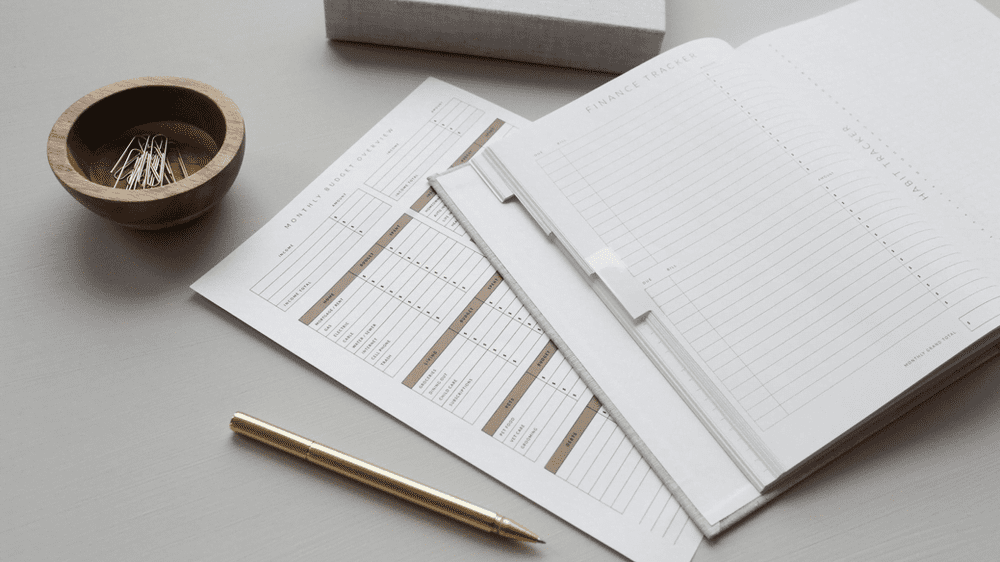
Category: Budgeting

This category includes how to make a budget, why you should budget, defines spending plan, and explains what a budget is.

  • Determining Your Values and Aligning Them with Your Budget

    In the realm of personal finance, a fundamental yet often overlooked aspect is the distinction between what you can afford and what you are willing to spend. Understanding this balance is crucial for maintaining financial health, achieving long-term goals, and ensuring peace of mind. Additionally, aligning your financial decisions with your personal values ensures that your money is spent in ways that truly matter to you. This article explores how to determine your values and align them with your budget while balancing affordability and willingness to spend, so you can live within your means and still invest in the things that bring you joy and fulfillment.

    Understanding Values and Financial Decisions

    Values are the guiding principles that shape our decisions and behaviors. They are deeply held beliefs about what is important in life, such as family, career, health, freedom, and integrity. Identifying and prioritizing your values is the first step toward making financial decisions that reflect what matters most to you.

    1. Reflect on Past Experiences: Think about times when you felt particularly happy, proud, or fulfilled. These moments often reveal underlying values.
    2. Identify Admired Qualities: Consider the people you admire and the qualities they possess that you respect. These can provide clues to your own values.
    3. List Your Core Beliefs: Write down a list of beliefs that are non-negotiable for you, such as honesty, loyalty, creativity, or compassion.
    4. Prioritize: Rank your values in order of importance to help make decisions when two values might conflict.
    Silhouette of a man seated on rocks, gazing at a serene Lake Tahoe sunset.
    Photo by Keegan Houser on Pexels

    What You Can Afford vs. What You’re Willing to Spend

    In personal finance, “what you can afford” typically refers to the maximum amount of money you can spend without jeopardizing your financial stability. This concept hinges on several key factors:

    • Income: Your total earnings from all sources.
    • Expenses: All your monthly obligations, such as rent or mortgage, utilities, groceries, transportation, insurance, and debt repayments.
    • Savings: Funds set aside for emergencies, retirement, and other future financial goals.
    • Debt: Existing liabilities that require regular payments, such as credit card debt, student loans, or car loans.

    While affordability is a matter of numbers, willingness to spend is more about personal values, preferences, and psychological factors. It involves a conscious decision about how much money you are comfortable parting with, even if you can technically afford to spend more. This concept is influenced by:

    • Personal Values: Priorities and what you consider important in life.
    • Psychological Comfort: Level of comfort with spending money, influenced by upbringing, financial education, and past experiences.
    • Long-term Goals: Future aspirations that may prompt conservative current spending.
    • Risk Tolerance: Willingness to take financial risks, affecting decisions related to investments and large purchases.

    Aligning Values with Your Budget

    To align your financial habits with your values, create a budget that not only tracks your income and expenses but also reflects what you truly care about.

    1. Assess Your Current Spending: Review your current spending habits to see if they align with your values.
    2. Define Financial Goals: Set specific, value-based financial goals.
    3. Create Budget Categories Based on Values: Structure your budget categories around your values, prioritizing spending in those areas.
    4. Adjust and Reallocate: Reallocate funds from expenses that don’t align with your values to those that do.
    5. Track and Reflect: Regularly track your spending and reflect on whether it aligns with your values.

    Practical Steps to Implement a Value-Based Budget

    Implementing a value-based budget involves strategic planning and practical action:

    1. Use Budgeting Tools: Utilize budgeting apps or tools to categorize and track your spending.
    2. Automate Savings: Set up automatic transfers to savings accounts that reflect your goals.
    3. Create a ‘Values’ Fund: Establish a dedicated fund for expenses that directly support your values.
    4. Review Regularly: Set aside time each month to review your budget and make adjustments as necessary.
    5. Involve Your Family: If you share finances, involve your family in the budgeting process to ensure shared priorities.
    A happy family gathering around a candlelit table for a festive dinner with diverse members.
    Photo by cottonbro studio on Pexels

    Balancing Affordability and Willingness to Spend

    Finding a balance between what you can afford and what you are willing to spend involves a mindful approach to financial decision-making:

    1. Set Clear Financial Goals: Define your short-term and long-term financial goals.
    2. Create a Realistic Budget: Develop a budget that reflects your income, expenses, savings, and discretionary spending.
    3. Prioritize Needs Over Wants: Distinguish between essential needs and non-essential wants.
    4. Practice Mindful Spending: Before making significant purchases, consider whether they align with your financial goals and values.
    5. Build an Emergency Fund: Ensure you have an adequate emergency fund to cover unexpected expenses.
    6. Avoid Lifestyle Inflation: Resist the temptation to proportionally increase your spending as your income increases.

    Moreover, consider employing tools and techniques such as envelope budgeting, zero-based budgeting, and tracking spending to maintain control over your finances.

    The Psychological Aspect of Spending

    The psychological aspect of spending plays a crucial role in financial decision-making. Emotional spending, impulse buying, and social pressure can lead to decisions that do not align with your financial capabilities or values. To mitigate these influences:

    1. Delay Gratification: Implement a waiting period before making non-essential purchases to reduce impulse buying.
    2. Reflect on Motivations: Consider why you want to spend the money and whether the motivation aligns with your values.
    3. Seek Professional Advice: A financial counselor can provide objective insights and strategies to balance affordability with willingness to spend.

    Spending Within Your Means on What Matters Most

    By aligning your spending with your values and ensuring that your budget reflects what you care about most, you can live within your means while still enjoying the things that bring you joy and fulfillment. This involves thoughtful prioritization and disciplined spending, but it also means making room in your budget for the things that matter most to you.

    1. Invest in Experiences Over Things: Research shows that people derive more happiness from experiences than material possessions. Allocate more of your budget to experiences that enrich your life, such as travel, dining out, or hobbies.
    2. Support Your Health and Well-being: Spending on health and wellness, such as gym memberships, healthy food, and mental health resources, is an investment in your long-term quality of life.
    3. Nurture Relationships: Prioritize spending on activities that strengthen your relationships, whether it’s family outings, date nights, or visiting friends and family.
    4. Pursue Personal Growth: Allocate funds for personal development, such as courses, books, and workshops, that align with your passions and career goals.
    5. Contribute to Causes You Care About: Supporting charitable causes or community projects that align with your values can provide a sense of purpose and fulfillment.
    values
    Photo by Krivec Ales on Pexels.com

    Conclusion

    Determining your values and aligning them with your budget is a powerful exercise in intentional living. By reflecting on what truly matters to you and creating a financial plan that supports those values, you can achieve greater alignment between your financial habits and personal beliefs. This approach not only enhances financial health but also contributes to a more fulfilling and purpose-driven life. Understanding the balance between what you can afford and what you are willing to spend is fundamental to sound financial management. It requires a careful assessment of your financial situation, clear goal setting, and disciplined spending habits.

    By mastering the art of balancing affordability with willingness to spend, you can navigate your financial journey with confidence and peace of mind. Ultimately, the goal is not just to manage money but to ensure that money serves your life, aligns with your values, and helps you achieve your dreams without compromising financial stability. This balance empowers you to live within your means while still enjoying the things that matter most to you, ensuring a life of both financial security and personal satisfaction.

  • What You Can Afford Vs. What You’re Willing To Spend

    In the realm of personal finance, a fundamental yet often overlooked aspect is the distinction between what you can afford and what you are willing to spend. This differentiation is crucial for maintaining financial health, achieving long-term goals, and ensuring peace of mind. Understanding this balance requires a deep dive into the principles of budgeting, prioritizing needs and wants, and aligning spending habits with financial goals.

    Understanding What You Can Afford

    “What you can afford” typically refers to the maximum amount of money you can spend without jeopardizing your financial stability. This concept hinges on several key factors:

    1. Income: Your total earnings from all sources, including salary, bonuses, investments, and any other revenue streams.
    2. Expenses: All your monthly obligations, such as rent or mortgage, utilities, groceries, transportation, insurance, and debt repayments.
    3. Savings: Funds set aside for emergencies, retirement, and other future financial goals.
    4. Debt: Existing liabilities that require regular payments, such as credit card debt, student loans, or car loans.

    To determine what you can afford, you need to create a detailed budget that accounts for all these factors. The aim is to ensure that your expenses do not exceed your income, while also making room for savings and debt reduction.

    A common method to gauge affordability is the 50/30/20 rule, which allocates 50% of your income to needs, 30% to wants, and 20% to savings and debt repayment. This framework helps ensure that essential expenses are covered, while also providing room for discretionary spending and future financial security.

    The Concept of Willingness to Spend

    While affordability is a matter of numbers, willingness to spend is more about personal values, preferences, and psychological factors. It involves a conscious decision about how much money you are comfortable parting with, even if you can technically afford to spend more. This concept is influenced by:

    1. Personal Values: Your priorities and what you consider important in life, such as financial security, luxury, experiences, or minimalism.
    2. Psychological Comfort: Your level of comfort with spending money, which can vary based on your upbringing, financial education, and past experiences.
    3. Long-term Goals: Your future aspirations, such as buying a home, traveling, starting a business, or early retirement, which may prompt you to be more conservative with current spending.
    4. Risk Tolerance: Your willingness to take financial risks, which affects decisions related to investments and large purchases.

    Willingness to spend also encompasses the emotional satisfaction derived from purchases. Some people find joy in spending on experiences, such as travel and dining, while others derive satisfaction from investing in assets or saving for future stability. Understanding what brings you the most satisfaction can guide your spending decisions and ensure that your money is used in ways that enhance your overall well-being.

    woman buying things she can afford
    Photo by Tim Douglas on Pexels.com

    Balancing Affordability and Willingness

    Finding a balance between what you can afford and what you are willing to spend involves a mindful approach to financial decision-making. Here are some strategies to achieve this balance:

    1. Set Clear Financial Goals: Define your short-term and long-term financial goals. Whether it’s saving for a down payment on a house, building an emergency fund, or planning a vacation, having clear goals helps prioritize spending. I recommend attempting to make SMART goals!
    2. Create a Realistic Budget: Develop a budget that reflects your income, expenses, savings, and discretionary spending. Regularly review and adjust this budget to ensure it aligns with your financial goals.
    3. Prioritize Needs Over Wants: Distinguish between essential needs (housing, food, healthcare) and non-essential wants (entertainment, luxury items). Prioritize spending on needs and allocate funds for wants based on what aligns with your values and goals.
    4. Practice Mindful Spending: Before making any significant purchase, consider whether it aligns with your financial goals and values. Ask yourself if the expense is necessary or if the money could be better utilized elsewhere.
    5. Build an Emergency Fund: Ensure you have an adequate emergency fund to cover unexpected expenses. This provides a financial cushion and peace of mind, reducing the need to dip into savings or incur debt for unforeseen costs.
    6. Avoid Lifestyle Inflation: As your income increases, resist the temptation to proportionally increase your spending. Instead, focus on saving and investing more to build wealth and achieve financial independence.
    Moreover, consider employing tools and techniques such as:
    • Envelope Budgeting: Allocate a set amount of money for different categories of spending, placing the cash in physical or digital envelopes. Once you spend the money in an envelope, you cannot spend more in that category until the next budgeting period.
    • Zero-Based Budgeting: Assign every dollar of your income to a specific purpose, ensuring that your income minus your expenses equals zero. This method forces you to account for every dollar and helps prevent unnecessary spending.
    • Tracking Spending: Use apps or spreadsheets to track your expenses in real-time. This practice increases awareness of spending habits and can highlight areas where you may be overspending.

    The Psychological Aspect of Spending

    The psychological aspect of spending cannot be overstated. Emotional spending, impulse buying, and the influence of social pressure can all lead to financial decisions that do not align with what you can afford or are willing to spend. To mitigate these influences:

    1. Delay Gratification: Implement a waiting period before making non-essential purchases. This delay can help reduce impulse buying and ensure that the purchase is genuinely necessary and valuable to you.
    2. Reflect on Motivations: Before making a purchase, consider why you want to spend the money. Are you influenced by a temporary desire, social media trends, or peer pressure? Understanding your motivations can help you make more rational spending decisions.
    3. Seek Professional Advice: A financial advisor can provide objective insights into your financial situation and help you develop strategies to balance affordability with willingness to spend.

    Conclusion

    Understanding the difference between what you can afford and what you’re willing to spend is fundamental to sound financial management. It requires a careful assessment of your financial situation, clear goal setting, and disciplined spending habits. By striking a balance between affordability and willingness to spend, you can make informed financial decisions that support your long-term well-being and financial security. Ultimately, this balance empowers you to live within your means while still enjoying the things that matter most to you.

    In the end, the goal is not just to manage money, but to ensure that money is serving your life, aligning with your values, and helping you achieve your dreams without compromising your financial stability. By mastering the art of balancing what you can afford with what you are willing to spend, you can navigate your financial journey with confidence and peace of mind.

  • How To Budget Better

    How To Budget Better

    Do you struggle to maintain your budget? That’s okay. A lot of people do. I’d like to help you learn how to budget better. Budgeting is an important part of managing money effectively. It helps you plan for the future and keep track of your spending habits. This guide will teach you how to start budgeting and how to keep budgeting, even when you don’t want to.

    Know Where You Spend Money

    Start by looking at where you spend your money. Are there any areas that you would like to cut back on? If so, what do you need to do to make those changes? Once you have identified these areas, start tracking your expenses. Make sure you are recording everything you spend money on. You can either start a budget and focus on tracking your expenses, or you can do this retroactively by looking over your bank statements for the last couple of months.

    If you’d like to start a budget, I recommend looking at our Resources category for information on budget sheets. There are budget posts for a variety of difference pay schedules including weekly, biweekly, semi-monthly, and monthly. They each include a budget spreadsheet and explain how to use it.

    scrabble tokens spelling "spend" on top of cash

    Set Goals to Budget Better

    It’s essential to set goals when you are trying to save money. You should set short-term and long-term goals because setting both types of goals can help you be more involved in your own financial success. An example of a short-term goal can include saving $100 per month or paying off an old debt. A long-term goal could be saving up for a $2,000 vacation or buying a new car with a down payment of $1,500. When you set goals, you are much more likely to achieve your desired outcome. You can learn more about goal-setting in this article.

    Create an Action Plan

    Once you have identified your goals, you need to develop an action plan to achieve them. This means creating a detailed schedule with dates and times for each task. If you have multiple tasks, break them down into smaller steps. Then, write out what you will do every day to accomplish those tasks. I recommend creating SMART goals. This stands for Specific, Measurable, Achievable, Relevant, and Time-bound.

    SMART Goal Budget Example

    Fran sets a goal to save money so she can move out. She decides that she wants to move out in two months, and the rent she can pay at her new apartment is $750. She will also need to come up with one month’s rent for the deposit, which means she will need to save a total of $1,500 before the two months are up. Fran can break this amount up between her paychecks, which she receives bi-weekly. $1,500 / 4 = $375 per paycheck for the next 4 paychecks.

    Specific: She will save $375 per paycheck for the next four paychecks.

    Measurable: She will save $1,500 in the time she needs it.

    Achievable: Fran will save two months’ rent in two months.

    Relevant: She needs to move into her own place.

    Time-bound: Fran will complete this goal in two months.

    Stick to it!

    You should also make sure that you stick to your budget. It’s easy to spend more than you planned when you are excited about something new. However, if you find yourself spending more money than you expected, take some time to think about why you are doing so. Is there anything else you could cut back on? Are you using credit cards too much? Are you spending on things that you need, or things that can wait?

    Regularly checking on and updating your budget can help keep you on track. I recommend budgeting for each paycheck, while also keeping the long-term in mind. The reason I like budgeting for every paycheck is that budgeting for every paycheck helps you see better what you are making, what you are spending, and when things are happening in your financial picture.

    Don’t Be Afraid to Ask For Help

    If you feel like you are struggling with your finances, talk to your friends and family members. They might not be able to help you directly, but they can give you advice and support. Getting support from your friends and family can increase your motivation to complete your goal and your chances of doing so.

    I know it can be scary to ask for help or to let people know you are struggling, but my advice to you is to know the reason you are close to the people that you are close to. Would you expect them to judge you for any other reason? Have they helped you with other personal matters? If your answers to those questions are no, and yes, respectively, then I do believe that they would be more than happy to at least be someone you can lean on. Remember, you will get through this and you will learn how to manage your finances!

    Struggling to stick to your financial goals? My Financial Goals Workbook can help—learn more here.

  • How to Get Into a Good Budgeting Mindset

    How to Get Into a Good Budgeting Mindset

    Budgeting is a lot easier to keep doing when you think positively about it rather than negatively. It is important to think of budgeting as something that can help you achieve your goals instead of something that only takes up your time. I use the phrase “spending plan” because it feels more positive to me than the word “budgeting.” I will use these words interchangeably in this blog because they are the same. If you find a word or phrase that helps you think positively about budgeting, use it. It can help keep you in a good budgeting mindset!

    a woman thinking about how to maintain her good budgeting mindset

    Three Qualities of a Budgeting Mindset

    A good budgeting mindset is more of a set of qualities rather than one distinct way to think about budgeting. Those qualities are positive, realistic, and determined. While there may be other qualities that help you create the mindset for budgeting, these three qualities are essential.

    Positive

    Thinking positively about budgeting will help you keep doing it. One way to think about budgeting is that it is self-care. You are doing it to take care of yourself now and in the future. If you think of budgeting as a chore, or you cannot do it, or it’s too much, or it will not work, or that you do not make enough, then it will not be successful. If you go at it with optimism, you are much more likely to succeed. There is a solution to every problem; you just have to find it. Budgeting can help you get your money under control, learn more about your spending habits, pay off your debt, and plan for your financial future and these things can help you have a more fulfilling life.

    Realistic

    At the same time, though, you have to be realistic. Realistic about your spending habits, your income, and your debts. Being realistic about all of those things with yourself will help you create a better spending plan for yourself. If you are budgeting with a roommate or a partner, being realistic can be difficult. Being honest about money with the person you live with can create a financially happier household. Without it, you will likely struggle to keep up with or limit yourself in the categories you set for yourself. This can also emotionally strain a household if you or the person you are living with are having difficulties managing money.

    Determined

    You also have to be determined. If you are determined to create a budget, you will be much more likely to use it and therefore be much more successful. Having a reason to budget will help you be more determined to maintain your budget, even when you don’t want to. Your reason could be anything – paying off debts, growing your assets, finding financial freedom, or just getting to know your habits better.

    Whatever you choose can change over time as your needs change. You paid off your debt? Fantastic! Maybe you can finally save up for that vacation you need. You can even have multiple goals for your money, but sometimes it is easier to only focus on one goal until you complete it and that is perfectly okay as well. Making SMART goals can help keep you focused and determined, and they are applicable to any part of your life! Learn more in this article from Forbes Advisor.

    Budgeting Mindset: Conclusion

    How you think about budgeting and your learning style can help you determine which form of budgeting is best for you. It might take some trial and error, but eventually, you will find the one that works for you. To find a way that works for you, you could think about your personality and learning preferences. Are you hands-on, or do you prefer to let someone or something else do it for you? Do you enjoy math? Are you a person who likes to plan? Do you prefer to use cash or a card? Paper and pen or spreadsheet? There are many questions you could ask yourself to learn what works for you.

    Paper and pen will take the most work, spreadsheets are moderate, and apps take the work out of the equation. Each method requires planning, but an app might help if you need prompts. The envelope method is traditionally used for cash, so if you prefer cash or are hands-on, this may be a good method for you. You can learn more about this in the article, What Are the Types of Budgeting?

    Struggling to stick to your financial goals? My Financial Goals Workbook can help—learn more here.

  • What Are The Types Of Budgeting? Learn Here

    What Are The Types Of Budgeting? Learn Here

    Budgeting is a financial plan for tracking, maintaining, and preparing your finances. Another term for budgeting is “spending plan”. The word budgeting can bring up negative thoughts of inflexibility and can feel like it is something tedious you have to do to get out of a mess. The term spending plan may feel more positive, and more proactive than the term budgeting. I will use these terms interchangeably. Budgeting can help you use your money in a way that benefits you, and there are several types of budgets, with some being hands-on and some that mostly do it for you.

    This image shows a type of budgeting that is more hands-on, spreadsheet/template budgeting

    Creating a spending plan can help you achieve realistic goals. It can help you keep out of debt, pay down debt, save for large purchases, save for retirement, etc. To create a spending plan, you need to start tracking your spending. If you use an app, it might do this step for you. Without this step, you might create a spending plan that does not reflect your actual spending. It is important to do this step to make the category limits accurate for your needs. When you have a realistic idea of your spending, you can create a spending plan that fits your needs and will allow you to make the necessary adjustments that you see fit. These adjustments are where you work to achieve your financial goals.

    Budgeting Type 1: Spreadsheet

    There are many ways to keep track of your money. One way to track your money is by using a spreadsheet. You can make one yourself, use one I have made available, or any number of the ones available on the internet. Spreadsheets are a hands-on method of a spending plan, which means you can organize it how you want. It can do the calculations for you if you plug in the right equations.

    Using spreadsheets as your chosen method of creating a spending plan means you need access to a computer or smartphone. Another positive of spreadsheets is that you do not have to worry about putting identifying information such as your social security number or bank account information in them. Spreadsheets are versatile, so they can do just about anything if you learn how to use them. Spreadsheets are good for people who like to get really into budgeting and prefer to do everything themselves.

    Budgeting Type 2: Envelope Method

    Another type of budgeting is the envelope method. This method is also hands-on but does not require regular access to technology. In this method, you use envelopes or another kind of small bag capable of being labeled and holding cash. With this method, you can organize it however you want, and you also do not have to put any identifying information in them. The downside of this method is that you will have to do any calculations by hand. While traditionally, this method is physical, you can use this method in a spreadsheet, and some apps use this method as well. The envelope method is good for people who prefer cash over cards or are more visual.

    Budgeting Type 3: Budget Tracking Apps

    You can also use apps to track your spending. This type of budgeting is more of a set-and-leave-it kind of thing. They might have customizable categories, attach to your accounts, help you set goals and track where you are in those goals, and keep track of where you are spending. There are more than a dozen different personal finance apps to choose from. Apps have varying degrees of being hands-on as well as varying degrees of success in linking to accounts and successfully applying expenses to the proper categories. Apps are a good choice for those who do not have the time or would prefer not to take the time that other methods might require. You can check out this list of budgeting apps from Forbes Advisor, to learn more about specific budgeting apps.

    Struggling to stick to your financial goals? My Financial Goals Workbook can help—learn more here.

  • How To Find A Way To Budget

    How To Find A Way To Budget

     a jar full of cash

    Intro

    There are several ways to budget, and it’s just a matter of finding the way that works for you. One way to do that is by your learning style – if you know which style is yours. Another way is deciding whether you want to be hands-on with your budget or not. The third way to find out is by deciding if you want to spend money on an app or do it yourself. Last but not least, I will explain the pros and cons of automating transactions.

    Learning styles

    There are four learning styles – visual, auditory, reading/writing, and kinesthetic. Patterns and shapes may work best for you if you are a visual learner. These can include graphs/diagrams, which you can find in apps or create in a spreadsheet.

    Speaking your thoughts helps you articulate them if you are an auditory learner. This means that it does not matter if you use an app or make a spreadsheet because you would need to explain it out loud either way.

    If you learn best using reading/writing, you understand information when it is in written form. Same as auditory learning, it does not matter which you use because either way, your budget will be in written form.

    If you are a kinesthetic learner, you learn through doing. With budgeting, you can use personal experiences. Take what you have done in the past and learn from that. If you have not budgeted before, you can use trial and error. It would help to get to know your spending and tweak it as needed.

    Hands-on or not?

    Are you a hands-on person? You may prefer spreadsheets, notes, or the envelope method if you are. Spreadsheets can help you do the math, and you’ll be able to make charts or diagrams if you like. When I say notes, I mean just jotting it down on a piece of paper or in your notes app. Then with the envelope method, you can use actual envelopes or an app/spreadsheet that mimics the envelope method.

    If you are a hands-off person, you might prefer forms of budgeting that require less control. If you have a steady income, budgeting like this could look like setting a budget and then creating auto transfers within your accounts. Some apps help you do this as well.

    a man looking at a budgeting spreadsheet, which is one way to budget

    Spend on an App or do it Yourself?

    One thing you have to consider when deciding to spend money on a budgeting app is the cost of doing so. There is almost always a free version of an app, and it is best to try that version first. That version is more than enough for your needs most of the time. If it is not, you could consider trying other free apps, but if you are dead set on one app, then spending the money on it might be worth it. Investopedia has a list of budgeting apps that they recommend here.

    The risk involved in using a budgeting app is also something to consider. Apps connect directly to your accounts to pull data from so you can use the app. This means that your accounts could be hacked because you have to allow that app constant access to them. Your bank could be hacked even if you do not use an app, but the more your information is out there, the higher the chance that something might happen.

    The reward associated with using an app is also important to think about when deciding to use one for budgeting. Using an app could take less time than budgeting by hand or using spreadsheets. Apps may also have reminders or notifications that you might find helpful. These things might allow you to focus more on the things you want to focus on instead of spending time doing something you do not want to do.

    Pros and Cons of Automating Transactions

    The Pros:

    1) It can make things easier if you do not want to transfer money around your accounts every time you get paid. Your bank will transfer the money for you at the time you scheduled for it to do so.

    2) It can make things easier if you have a money disorder. This can include gambling or impulse spending. Automating transfers can help you keep your money safe in case something happens.

    The Cons:

    1) It can make things difficult if you need full liquidity. People who need full liquidity are usually people who live paycheck to paycheck. A lot of the time, automating transactions can make your money less liquid, and when you live paycheck to paycheck, you need as much liquidity as possible in case something happens.

    2) Forgetting about automated transactions can cause you to overdraw your account. If you automate and do not have a consistent paycheck or forget the schedule you set when you automate transactions, you could overdraw your account.

    Struggling to stick to your financial goals? My Financial Goals Workbook can help—learn more here.