Budgeting is a financial plan for tracking, maintaining, and preparing your finances. Another term for budgeting is “spending plan”. The word budgeting can bring up negative thoughts of inflexibility and can feel like it is something tedious you have to do to get out of a mess. The term spending plan may feel more positive, and more proactive than the term budgeting. I will use these terms interchangeably. Budgeting can help you use your money in a way that benefits you, and there are several types of budgets, with some being hands-on and some that mostly do it for you.
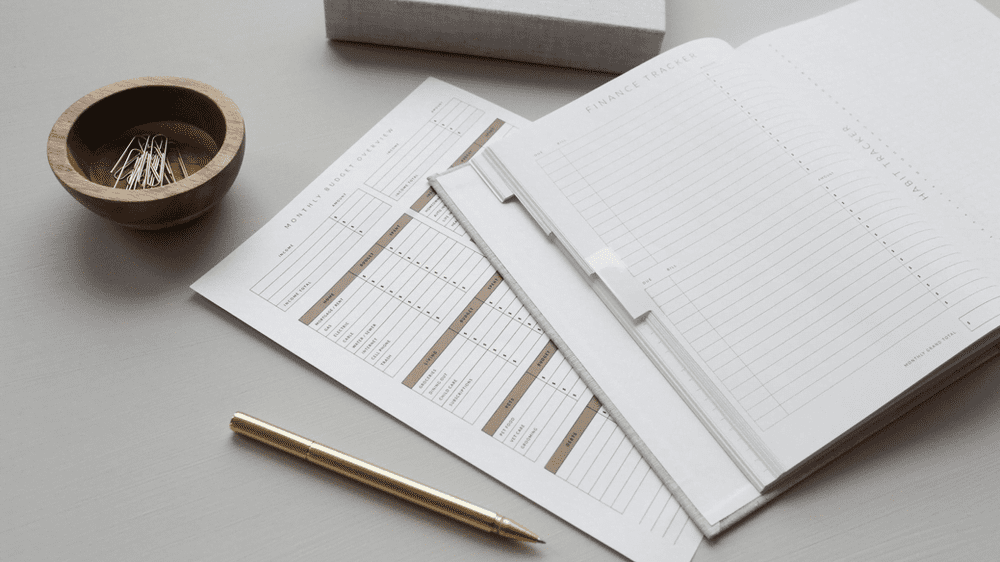
Creating a spending plan can help you achieve realistic goals. It can help you keep out of debt, pay down debt, save for large purchases, save for retirement, etc. To create a spending plan, you need to start tracking your spending. If you use an app, it might do this step for you. Without this step, you might create a spending plan that does not reflect your actual spending. It is important to do this step to make the category limits accurate for your needs. When you have a realistic idea of your spending, you can create a spending plan that fits your needs and will allow you to make the necessary adjustments that you see fit. These adjustments are where you work to achieve your financial goals.
Budgeting Type 1: Spreadsheet
There are many ways to keep track of your money. One way to track your money is by using a spreadsheet. You can make one yourself, use one I have made available, or any number of the ones available on the internet. Spreadsheets are a hands-on method of a spending plan, which means you can organize it how you want. It can do the calculations for you if you plug in the right equations.
Using spreadsheets as your chosen method of creating a spending plan means you need access to a computer or smartphone. Another positive of spreadsheets is that you do not have to worry about putting identifying information such as your social security number or bank account information in them. Spreadsheets are versatile, so they can do just about anything if you learn how to use them. Spreadsheets are good for people who like to get really into budgeting and prefer to do everything themselves.

Budgeting Type 2: Envelope Method
Another type of budgeting is the envelope method. This method is also hands-on but does not require regular access to technology. In this method, you use envelopes or another kind of small bag capable of being labeled and holding cash. With this method, you can organize it however you want, and you also do not have to put any identifying information in them. The downside of this method is that you will have to do any calculations by hand. While traditionally, this method is physical, you can use this method in a spreadsheet, and some apps use this method as well. The envelope method is good for people who prefer cash over cards or are more visual.
Budgeting Type 3: Budget Tracking Apps
You can also use apps to track your spending. This type of budgeting is more of a set-and-leave-it kind of thing. They might have customizable categories, attach to your accounts, help you set goals and track where you are in those goals, and keep track of where you are spending. There are more than a dozen different personal finance apps to choose from. Apps have varying degrees of being hands-on as well as varying degrees of success in linking to accounts and successfully applying expenses to the proper categories. Apps are a good choice for those who do not have the time or would prefer not to take the time that other methods might require. You can check out this list of budgeting apps from Forbes Advisor, to learn more about specific budgeting apps.
Struggling to stick to your financial goals? My Financial Goals Workbook can help—learn more here.