Author: Brittney Awad

  • Why You Should Save Money

    Why You Should Save Money

    Essentially, saving can help you attain financial independence. Saving will help you get ahead of expenses, which can mean saving for a house, car, and even more minor expenses like a flat-screen TV or a new phone. Actively saving money means you will be prepared for both planned and unplanned expenses, like saving for a vacation or setting up your emergency fund for a rainy day. Retirement is another reason to save money. Saving for retirement is a bit different than the rest of your savings – when you save for retirement, you will most likely be investing that money. Last but not least, you should save for medical emergencies. Your savings in this category could cover future costs for prescriptions, glasses, co-pays, etc. Here are some budgeting resources so you can get a head start on saving!

    one way to save money is in a piggy bank

    Preparing for Expenses

    These expenses can either be big or small. Big expenses might include a down payment on a house, buying or putting a down payment on a car, and buying furniture. The small(ish) expenses you could be saving for are buying a tv, phone, or laptop. Most of these smaller expenses might have financing options, but you need to be careful with interest rates and fees, and saving for these smaller expenses can also prevent your finances from being tied up in the future when you need them.

    Unplanned Events

    Another thing you should consider when you save is saving for planned and unplanned events. Most of us would rather not think about the possibility of getting fired or laid off, but we should plan for it just in case. When saving for this example, generally, three months is the recommended minimum that you should save, but it is best if you could have six or more months in savings. More unplanned events can include replacing household appliances such as a fridge, washer, dryer, dishwasher, etc.

    Planned Events

    A planned event you should consider saving for is vacation. When you save for a vacation, you invest in the health and well-being of your future self, and you deserve that. The same goes for dates, family outings, your children’s college funds, or whatever you have planned.

    people on vacation with money they saved

    Retirement

    Retirement is an incredibly important thing to save for. When you save for retirement, your money will go into an investment plan specifically for the purpose of retirement. I will go more in-depth on this in another article. There is so much unknown about the future. Social security may or may not exist when gen z gets to retirement age. Climate change may or may not make the planet uninhabitable. But you should always plan for “just in case.” Worst case scenario, all that does happen, and you have a bit of cash to blow. In the best-case scenario, you have extra income to go with your social security benefits, and you can have the retirement of your dreams.

    Medical Emergencies

    This category includes the things your insurance does not pay for. Surprise procedures, emergency room visits, glasses, braces, prescriptions, co-pays, etc. If you can save for this category, I highly recommend that you do so. It will ensure that you have it covered if you ever need anything medically. This can be in a savings account or an FSA/HSA if you have one. In some cases, your employer may contribute to these accounts. I will cover this topic further in another article.


  • How to Start Saving Money in 3 Simple Steps

    How to Start Saving Money in 3 Simple Steps

    Saving money doesn’t have to be hard or intimidating. With a few simple steps and some discipline, you can be on your way to financial freedom! Discover 3 easy steps to start saving money and create a budget that works for you in this guide.

    Step 1: Create a budget with saving money in mind

    This is the most essential step in learning how to start saving money. It allows you to know exactly how much money you are spending and where it is going. You will be able to see the areas where you may need to make adjustments in order to save more money.

    To create a budget, you’ll need to start with tracking expenses. After tracking your expenses, you’ll know what your necessities are and what you can lower your spending on. After that, you will need to figure out how you would like to budget. I personally like spreadsheets, but a lot of people like to use apps. Either way, being attentive to your method is what’s important. This link will bring you to My Financial Equity’s Budgeting category page. Or, if you would prefer to check out our free budget spreadsheet templates first, you can go to my Resources page.

    Step 2: Automate monthly transfers into a savings account

    After you create a budget, you can set up an automated transfer from your checking account into a savings account every month. Make sure that the amount transferred is not painful on your budget, even saving $5 a week will grow over time to be much more.

    There is a saying about saving money, it’s called “paying yourself first”. When you pay yourself first, you are more likely to attain your goals and less likely to find yourself in financial trouble. If a portion of each paycheck goes directly into savings, you’re less likely to spend it and will have a much easier time building your savings. Even just depositing $10-20 every week will add up over time!

    person putting a coin in a piggy bank
    Photo by maitree rimthong on Pexels.com

    Step 3: Generate multiple sources of income

    If you find yourself short on money after you create a budget, you could consider looking for ways to bring in extra income such as freelance work, side hustles, or online surveys that can help supplement your day job salary and further increase the amount of money being saved each month!

    If you are interested in side hustles or freelancing, you could check out this website on how to start freelancing (even when working full-time). There are also various websites where you can sell your online services as a freelancer. These include Fiverr, Upwork, and others included in this link on the 22 best freelance websites to find jobs. Unfortunately, it is very common in this day and age for people to need another source of income. There is nothing wrong with it, and it can even help to freelance using a skill you enjoy. That way, you have extra income and you are doing something that is fulfilling!

  • 4 Ways to Build Credit Quickly

    4 Ways to Build Credit Quickly

    This article will teach you how to build credit and improve your credit score. The 4 ways to build your score are to pay off debt, increase your credit line, spend within your means, and avoid bad credit loans. You can learn the basics of credit here.

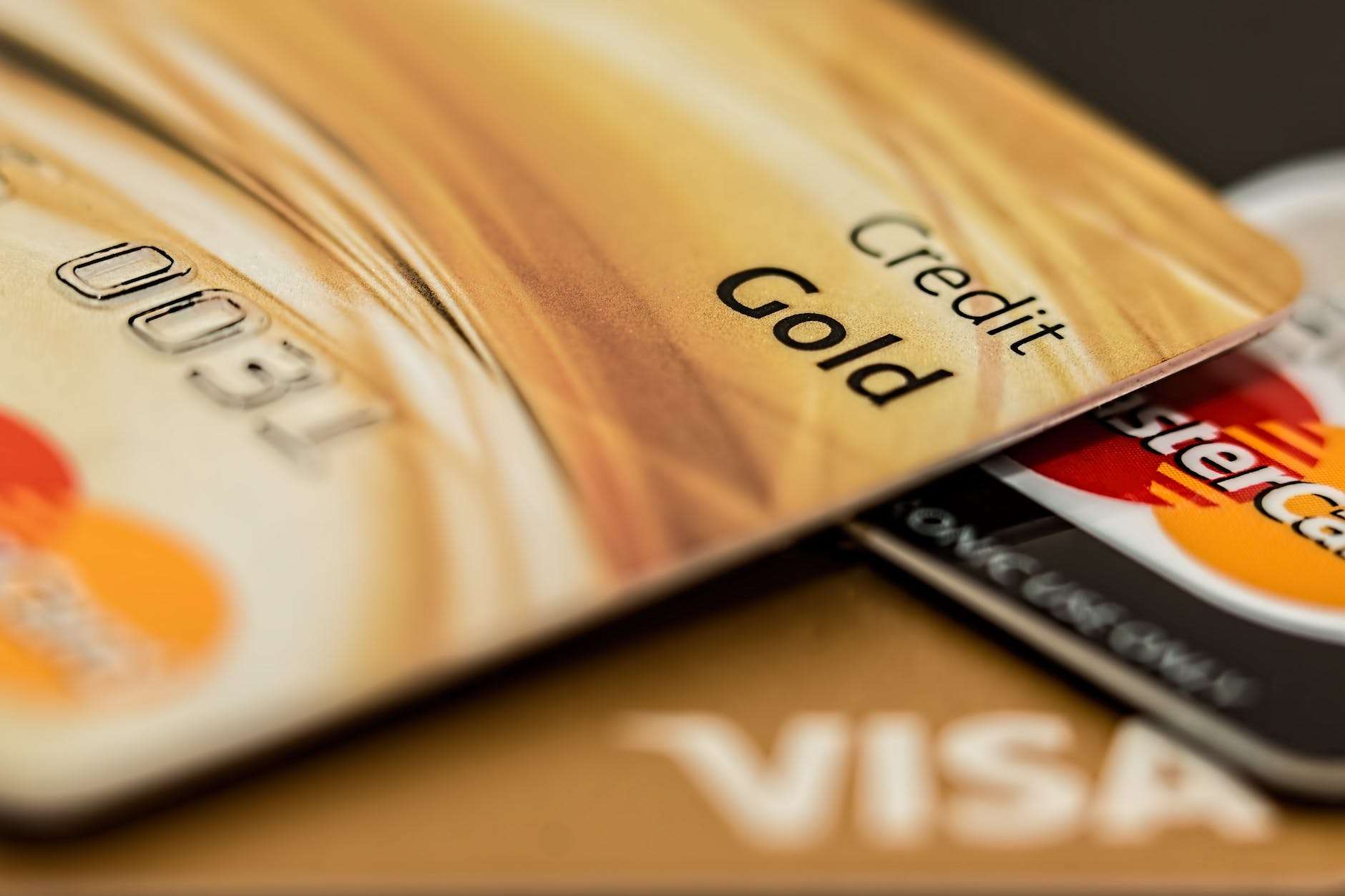
    close up photo of credit cards
    Photo by Pixabay on Pexels.com

    Pay Off Debt to Build Credit

    If you’re looking to build credit quickly, there’s no better place to start than by paying off debt. By paying down your debts, you’ll improve your credit score, which will help you qualify for lower interest rates on new loans. I recommend the snowball method for paying off debt. This means that you’ll pay the minimum on your debts with higher amounts, and put as much as you can on your lowest debt until you pay it off. When that one is paid off, you’ll move to the next one.

    The snowball method works because it forces you to focus on what you owe first. You won’t be able to ignore your debts if you’re constantly reminded of them. Plus, once you’ve paid off one debt, you’ll feel more motivated to keep going. Once you’ve paid off your first debt, you’ll think “I can get the rest paid off, too!” And then you’ll want to get rid of the rest of your debts.

    Another good debt payoff method is the avalanche method. This works by putting any extra money you have toward your highest interest debt, then to the next highest interest debt, and so on until you’ve paid off your debt. This method helps you avoid paying as much interest as you possibly could.

    You can always choose one method and switch it up when you decide something else will work better for you. Whichever method you choose, you will be on the path to building your credit!

    One free website I like that helps people make a plan to pay off debt is https://extension.usu.edu/powerpay/. You can plug in all your debts – the amounts, interest rates, terms, etc., and it will make a chart of the various ways you can pay off your debt so that you can compare and decide which option is best for you.

    Increase Your Credit Line

    One way to build credit is to increase your credit line. As long as you keep your spending at about 10% to 20% of your total credit availability, this will help you build credit. Be careful of lifestyle creep though. More credit = more responsibility.

    The best way to increase your credit line is to pay off any outstanding debt. If you have a balance on your current credit cards, call your creditors and ask them if there are any payment plans available. You might be able to lower your monthly payments or extend the length of time you pay each month.

    Another option for building your credit and increasing your credit line is to consolidate your existing balances into one new loan. If you have multiple loans from different lenders, consolidating them into one new loan could save you hundreds of dollars per year. You will likely have a lower interest rate on the debt consolidation loan than you had on your credit cards, which is one thing that will help lower the amount of interest you pay over the life of the debt. Another good thing about getting a debt consolidation loan is that your payment amount each month will be stable and predictable. You just have to be careful not to add to your credit card debt again.

    You can also consider applying for a secured credit card. This type of card requires you to put down some cash upfront but will allow you to earn rewards points, and like with an unsecured credit card, you can incur interest charges if you do not pay it off every month. WalletHub has a list of secured credit cards and compares them here.

    a plant growing in coins building credit

    Spend Within Your Means

    It’s easy to fall into the trap of buying things you can’t afford. This is especially true when you’re trying to build up your credit score. However, if you do end up with too much debt, you might find yourself unable to pay back what you owe. In addition, having too much debt can make it harder to get approved for future loans.

    If you want to avoid falling into this trap, try using a budget instead of relying solely on credit cards. A budget helps you set aside money each month for specific expenses, such as rent, groceries, utilities, and other bills. By sticking to your budget, you’ll be able to see exactly where your money goes and whether you’re spending too much.

    For example, you could create a checking account specifically used to pay off your credit card, and you could fund that account with your spending limit. Make sure to pay close attention to he amounts you are spending. You could check your balance weekly and pay it off when you check it, or you could set it to auto-pay the balance a couple of days before the due date. Either way, paying attention to your balance means you are much less likely to overspend and fall into the debt trap.

    Avoid Bad Credit Loans

    If you need to borrow money, there are several options available to you. You can apply for an unsecured loan through a bank or other financial institution. Or, you can apply for a secured loan, where you pledge something as collateral against the loan. A third option is to use a bad credit loan. This type of loan is not ideal and should only be used as a very last resort. These loans are designed to prey on people who have had trouble getting traditional financing because of low credit scores. These loans can have significantly high interest rates and can hurt your chances of paying off your debt.

    The best way to avoid bad credit loans is to get a personal loan from a reputable lender. When applying for a personal loan, be sure to shop around for the lowest interest rate possible. Also, keep in mind that if you default on your payments, your credit will take a heavy hit, and it will be harder for you to get credit from lenders in the future.

    If you are in a place where you are looking into bad credit loans, you are likely better off saving to get a secured credit card to build credit.

  • What is Credit? Learn Here

    If you are new to the world of credit, your first question is probably, “What is credit”? Credit is a contract between a buyer and seller stating that the buyer will have the ability to borrow money or access products or services with the promise that they will pay back the money or services at an agreed-upon time. Essentially, it allows you to get what you need now, knowing that you will pay it back later. You can also Learn 4 Ways to Build Credit Quickly here.

    person holding credit card credit is improving
    Photo by Anna Shvets on Pexels.com

    Types of Credit

    The three types of credit are Revolving, Installment, and Open. Revolving credit lets you borrow up to a certain amount repeatedly. Examples of revolving credit are credit cards and home equity lines of credit.

    With installment credit, you borrow money one time and pay it back over an agreed amount of time with interest. Auto loans, mortgages, and personal loans are all types of installment credit.

    Open credit is a line of credit that you pay after you use it. Utility bills and phone bills are examples of open credit. This kind of credit does not have interest, but you may be fined and/or have your service removed for not paying the bill by an agreed time.

    What is Interest?

    Interest is a percentage of the total amount of the loan or usage of a credit card charged to the borrower. With credit, the lower the interest rate, the better for your wallet. Lower interest rates are better because you pay less for borrowing money. Higher interest rates mean you pay more money for borrowing money.

    How Do Interest Rates Work?

    Interest rates on loans are usually lower than on credit cards, but the amount you borrow and the amount of time you take to pay it off are usually higher than on credit cards. There are several different types of loans, including auto, mortgage, personal, student, home equity, credit-builder, and payday loans.

    The interest rate you get with a loan depends on the type of loan and your credit score. For example, payday loan rates are typically very high (~400%), while the federal student loan interest rate is about 4%. One one hand, having collateral for a loan will make it easier to borrow and may lower your interest rate because it makes lending less risky for the lender. But on the other hand, using collateral to get a loan is risky because the lender will be able to take your collateral if you cannot repay the loan. This article from britannica.com goes more in-depth on this topic. 

    What If You Have Bad Credit?

    If you have no credit or bad credit, it may be difficult to get a credit card or a loan. The lender may think you will misuse the credit you receive, or they may think it is too risky to find out how you will use it.

    Having no credit is better than having bad credit because you have a chance to start well. Having a cosigner or collateral can help you get a loan if you have no credit or bad credit. If you use a cosigner, your cosigner will have to make payments on your loan if you do not make payments. A co-signer should be someone you trust and are completely honest with about your financial situation. You should only ask someone to co-sign for you if you know you can pay back the debt without damaging their credit.

    person writing on white paper signing loan what is credit
    Photo by Cytonn Photography on Unsplash

    How Do Credit Cards Work?

    With credit cards, you pay interest on the amount of money left on the card on each month’s due date. So if you always pay back the entire balance on the card on or before the due date, you will not have to pay interest. Interest rates on credit cards are typically higher than on loans because the risk to the lender is higher. The rate you get can depend on the type of credit card you get and your credit score.

    Getting a secured credit card can help you build enough credit so that you can open an unsecured credit card. You borrow against the money you give the lender with a secured credit card. You will need to save up some money, typically $300 to $500 minimum. The specific amount will depend on your lender.