Your credit report is a crucial tool that lenders, banks, and credit card companies use to evaluate your financial history and determine your creditworthiness. So, what information is on a credit report? It contains a wealth of information about your financial habits, including your credit accounts, payment history, and outstanding debts. In this blog post, we will discuss the information that is typically included in a person’s credit report.
Personal Information
- Name
- Date of Birth
- Social Security Number
- Current and Previous Addresses
- Employment History
Your personal information is very important because it helps credit bureaus accurately identify and track your credit history. It is important to review this information regularly to make sure that it is up to date and correct. Any errors in your personal information can lead to problems down the road, such as difficulty getting approved for credit or loans. In addition to the basic personal information, some credit reports may also include additional data, such as your phone number or email address. However, it is important to note that your credit report does not include sensitive information such as your religion, ethnicity, medical history, criminal record, or political affiliation. This is because the Fair Credit Reporting Act (FCRA) prohibits credit bureaus from including this type of information in credit reports.
Credit Accounts
- Credit Card Accounts
- Loans
- Mortgages
- Retail Accounts

The credit accounts section of your credit report is one of the most important sections, as it provides a detailed history of your credit activity. This section can also help potential lenders determine whether you are a responsible borrower who pays bills on time. In addition to the payment history, this section will also show whether the account is current or delinquent. If an account is delinquent, the credit report will show how many payments were missed and how many days past due the account is.
The credit accounts section of your credit report can also provide insight into your credit utilization rate, which is the amount of credit you are currently using compared to your total available credit limit. A high credit utilization rate can negatively impact your credit score, because it suggests that you may be relying too heavily on credit and may have difficulty paying your bills on time.
It is important to note that not all credit accounts are reported to credit bureaus. Some creditors may not report to all three major credit bureaus, or they may not report at all. This can result in incomplete or inconsistent information on your credit report. It is also important to review this section of your credit report regularly to ensure that all the information is accurate and up-to-date. If you find any errors or inaccuracies, you should contact the creditor and credit bureau immediately to have the information corrected.
Public Accounts
- Bankruptcies
- Tax Liens
- Judgments
The public records section of your credit report can have a significant impact on your creditworthiness. Consequently, if you have a bankruptcy or tax lien on your credit report, it can be difficult to obtain new credit or loans, and may result in higher interest rates or fees. Credit reports do not automatically include all public records. Credit bureaus may obtain this information from public records databases, but they may not have access to all public records information.
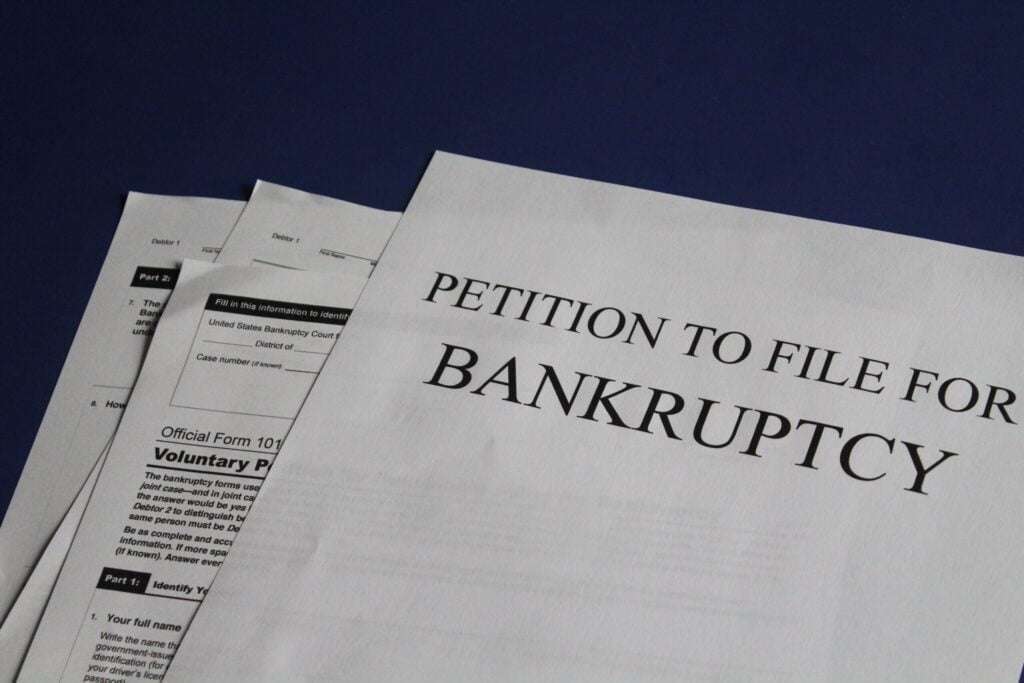
If you have a bankruptcy or tax lien on your credit report, it is important to take steps to repair your credit. This may involve working with a credit counselor or financial counselor to develop a plan to pay off your debts and improve your credit score. You may also want to consider obtaining a secured credit card or other type of credit account to help rebuild your credit.
It is important to note that some public records, such as civil suits or arrests, are not included in your credit report. The Fair Credit Reporting Act (FCRA) prohibits credit bureaus from including certain types of information in credit reports, including civil suits or arrests, unless the information is related to a financial transaction.
Inquiries
- Hard Inquiries
- Soft Inquiries
The inquiry section of your credit report reveals the frequency and recency of credit applications, with hard inquiries impacting your credit score for up to 12 months, while remaining visible for two years. Multiple hard inquiries can decrease your credit score by a few points each, with a greater impact when clustered together.
Conversely, soft inquiries, including personal credit checks and pre-approved credit offers, have no impact on your credit score and are not visible to lenders. Furthermore, credit scoring models consider multiple inquiries within a short timeframe for a specific loan or credit product as a single inquiry, acknowledging consumers’ tendency to rate-shop.
To minimize hard inquiries, only apply for credit when needed, and avoid multiple applications within a short period. Using credit monitoring services can also help keep track of your credit report and alert you to changes or new inquiries.
Credit Score
- FICO Score
- VantageScore

Your credit score is an important factor that lenders and creditors use to determine your creditworthiness. Due to this, a good credit score can help you qualify for better interest rates, higher credit limits, and more favorable terms on loans and credit accounts. Your credit score is calculated based on the information in your credit report, which includes your payment history, credit utilization, length of credit history, types of credit accounts, and recent credit inquiries.
FICO scores are the most widely used credit scoring model and are used by most lenders and creditors. FICO scores range from 300 to 850, with a score of 670 or higher generally considered to be a good credit score. VantageScores are another type of credit score that is becoming increasingly popular. The VantageScore range is from 300 to 850, and a score of 661 or higher is generally considered to be a good credit score. While FICO scores and VantageScores are calculated using a similar algorithm, they may take into account different factors and weight them differently.
Credit Scores Can Vary
It is important to note that your credit score can vary depending on which credit reporting agency is used to calculate it. Each credit reporting agency may have slightly different information on your credit report, which can impact your credit score. However, regardless of the credit reporting agency, it is important to maintain a good credit score by making payments on time, keeping your credit utilization low, and avoiding unnecessary credit applications. Additionally, regularly checking your credit report and using credit monitoring services can help you stay on top of your credit and quickly address any issues that may arise.
Credit scores are not a one-time calculation and can change over time, depending on your credit behavior. For this reason, regularly reviewing your credit report and credit score can help you identify areas for improvement and take steps to build and maintain good credit.
In addition to working with a credit counselor or financial advisor, you may also want to consider using credit monitoring services or credit score simulators to help you stay on top of your credit. These tools can provide you with alerts and insights about your credit report and score, as well as tips and recommendations for improving your creditworthiness.
Places You Can Check Your Credit Report
- AnnualCreditReport.com – This website allows you to request a free credit report from each of the three major credit reporting agencies (Equifax, Experian, and TransUnion) once per year.
- Credit Karma – This website offers free credit monitoring and access to your credit report and credit score.
In Conclusion
Additionally, your credit report is a crucial tool that lenders and creditors use to evaluate your creditworthiness. It contains a wealth of information about your financial habits, including your credit accounts, payment history, and outstanding debts. By understanding the information that is included in your credit report, you can take steps to improve your credit score and increase your chances of being approved for credit. Be sure to check your credit report regularly and dispute any errors that you find.
Resources
- Personal Information:
- Equifax. (2021). What is in Your Credit Report? Retrieved from https://www.equifax.com/personal/education/credit/report/what-is-in-your-credit-report/
- Experian. (2021). What is on a Credit Report? Retrieved from https://www.experian.com/blogs/ask-experian/what-is-on-a-credit-report/
- TransUnion. (2021). Understanding Your Credit Report. Retrieved from https://www.transunion.com/credit-report/understanding-credit-report
- Credit Accounts:
- Federal Trade Commission. (n.d.). Credit Reports and Scores. Retrieved from https://www.consumer.ftc.gov/articles/0155-free-credit-reports
- Consumer Financial Protection Bureau. (n.d.). Credit Reports and Scores. Retrieved from https://www.consumerfinance.gov/consumer-tools/credit-reports-and-scores/
- Public Records:
- Consumer Financial Protection Bureau. (n.d.). Public Records. Retrieved from https://www.consumerfinance.gov/consumer-tools/credit-reports-and-scores/credit-reports-public-records/
- Equifax. (2021). What is in Your Credit Report? Retrieved from https://www.equifax.com/personal/education/credit/report/what-is-in-your-credit-report/
- Inquiries:
- Consumer Financial Protection Bureau. (n.d.). Inquiries. Retrieved from https://www.consumerfinance.gov/consumer-tools/credit-reports-and-scores/credit-reports-inquiries/
- Experian. (2021). Credit Report Inquiries. Retrieved from https://www.experian.com/blogs/ask-experian/credit-report-inquiries/
- Credit Score:
- FICO. (n.d.). Understanding FICO Scores. Retrieved from https://www.fico.com/en/credit-education/understand-credit-scoring
- Experian. (2021). What is a VantageScore? Retrieved from https://www.experian.com/blogs/ask-experian/what-is-a-vantagescore/